
Invest in your hair, it is the crown that you will never take off
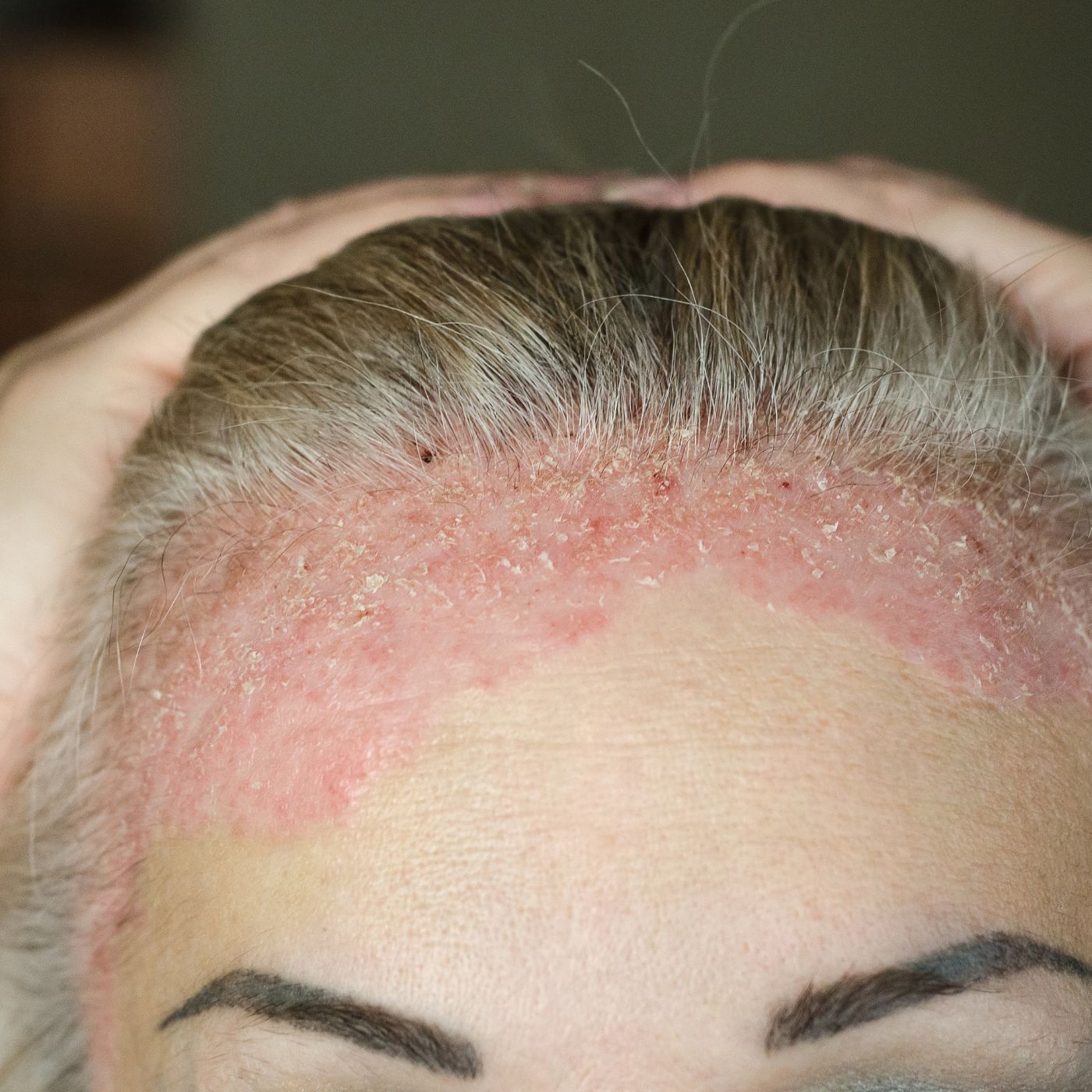
Lace wig adhesive can cause contact dermatitis
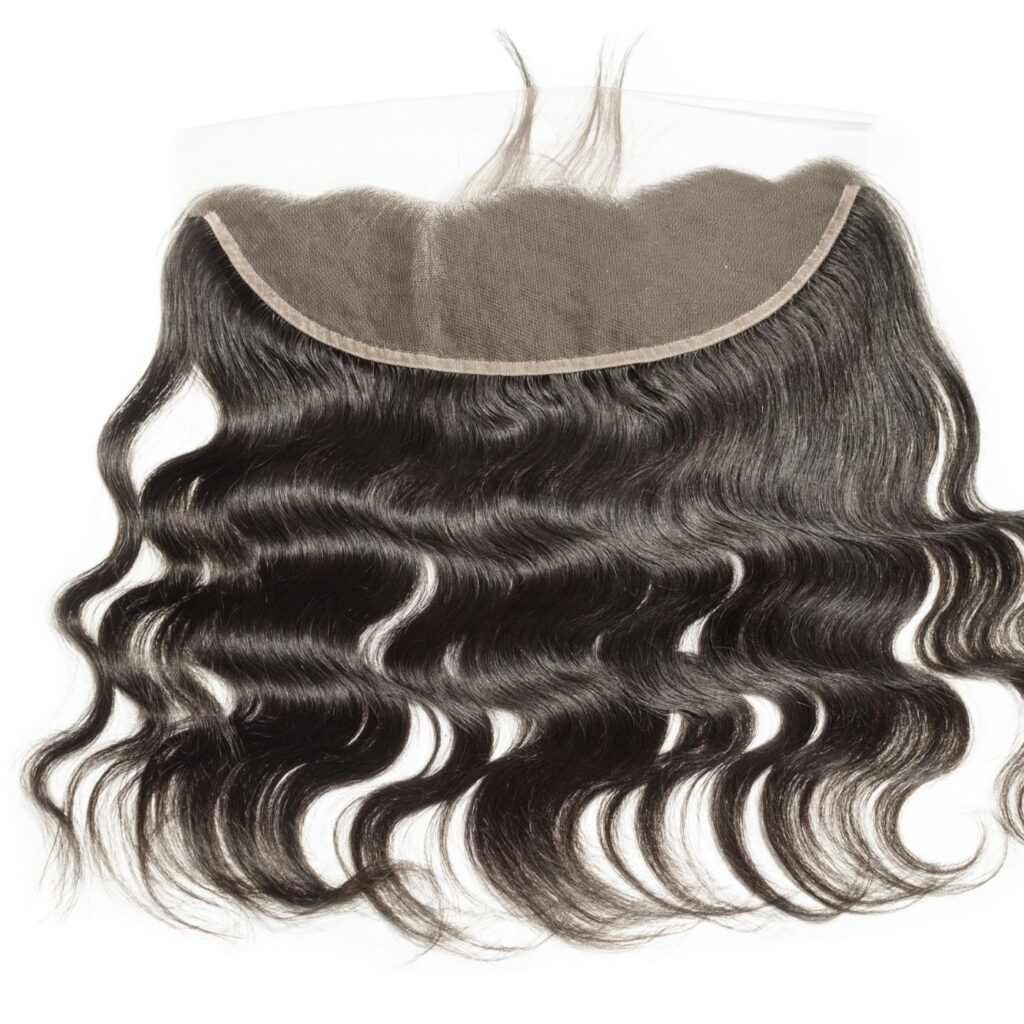
Lace wigs are so popular today that some people may have forgotten that, not long ago, synthetic wigs were sewn into one’s hair. Those types of wigs have an advantage in that they provide a natural look, thanks to the adhesive used to secure them in place.
However, one should be cautious when using adhesives to secure a wig, as they could cause contact dermatitis, an itchy rash, especially those containing cyanoacrylate or homologous variants (Sornakumar et al., 2013).
Sornakumar and colleagues reveal the case study of a male who arrived at a hospital in India with erythematous plaque (itchy red rash). Healthcare providers conducted a quick patch test, which showed the reaction was due to the glue used to affix his wig. Although this is considered an uncommon event, lace wig utilization has become increasingly widespread, and so has the occurrence of such events.
Not all glue causes the same effect
It is worth mentioning that chemists developed cyanoacrylates in the late 1900s, and they served many purposes. Stores sold this product as the superglue used to fix broken items, while medical professionals utilized it to seal minor wounds (Samuel et al., 2024).
Even though not all derivatives of cyanoacrylates cause an inflammatory reaction when they come in contact with human tissues, some are more likely to do so than others. A study led by Toriumi in 1990 indicated that shorter chain cyanoacrylates such as ethyl-2-cyanoacrylate are more toxic. Simply because their degradation is faster and releases toxic byproducts, triggering an inflammatory reaction (Toriumi et al., 1990).
The choice is always yours
It may be difficult for the public to know which variant of cyanoacrylate has been included in a glue at the time of purchase. It is common to go with the most popular brand, with very little attention given to the ingredients themselves.
Nonetheless, we all have a choice. We can decide to thread carefully when using wig adhesives or use alternative methods to secure a wig, or simply wear our natural hair. No matter the option of choice, safety should always come first.
